Finding a place to rent in Dubai has become much easier thanks to technology.
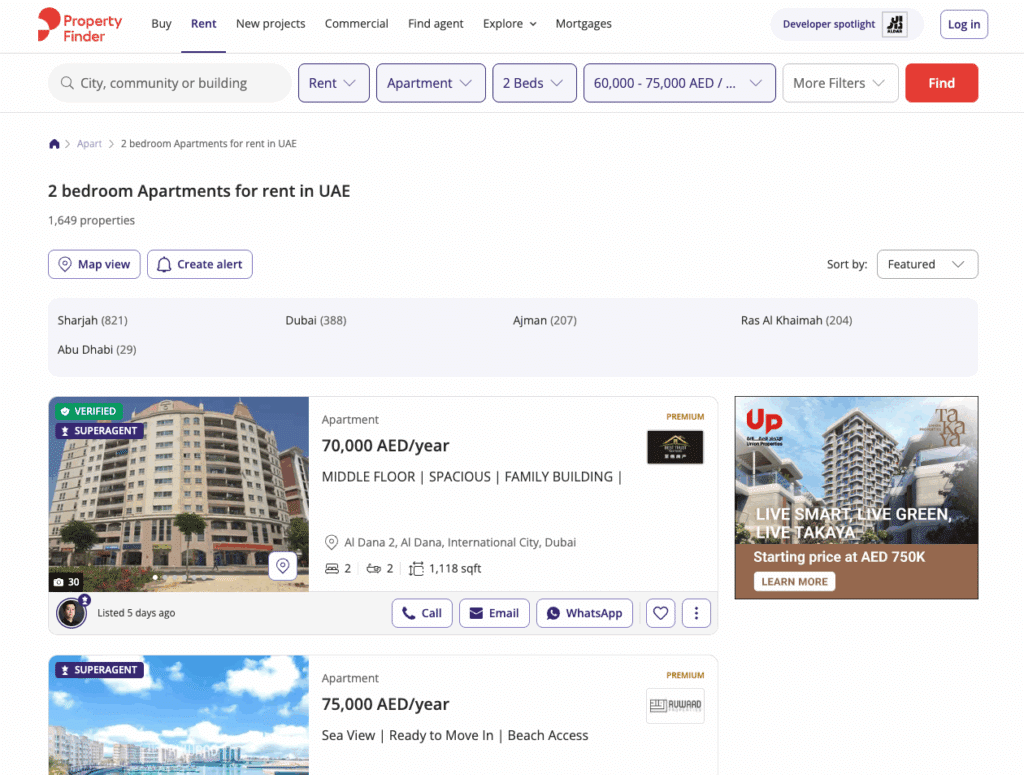
Today, most people prefer using property portals and apps such as Bayut and Property Finder.
These platforms allow you to filter your search based on your budget, location, square footage, number of bedrooms, and even finer details like building amenities, from gyms and swimming pools to beachfront access or cafés nearby.
Related: Dubai PropTech Hub: Shaping the Future of Real Estate Through Technology
Where to Start Your Search
Most renters begin by setting filters that match their budget and lifestyle preferences.
For instance, the average renter (middle-class) might search for apartments below AED 75,000 (approximately USD 20,400) per year.
Once you find a few options that match your needs, you can narrow them down further by looking at:
- Proximity to metro stations or major roads
- Access to schools, supermarkets, and malls
- Availability of parking and building amenities
If you already have a preferred developer, like Wasl Properties, Dubai Properties, Emaar, or DAMAC, you can also check their individual websites.
These developers often list their own properties and offer direct payment systems, maintenance requests, and other tenant services through their apps.
Payment Options: Checks, Direct Debits, or Cards
Traditionally, rent in Dubai is paid by post-dated checks, often broken down into quarterly, bi-annual, or monthly payments. The law allows a maximum of 12 checks per year, meaning you can technically pay monthly if your landlord agrees.
However, be cautious: bouncing a check in the UAE is a punishable offense, and fines can be steep.
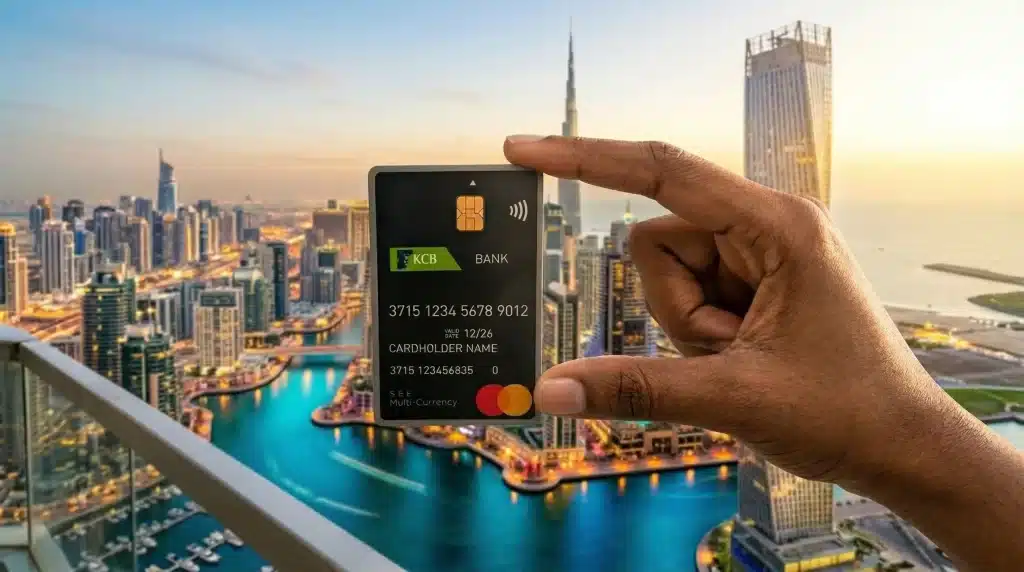
Today, some developers and banks are offering direct debit options, where rent is automatically deducted from your account each month. Of course, the developer has to have a relationship (an MoU) with the bank for this type of payment method.
This setup is particularly convenient for tenants with a regular income.
In my case, I preferred making quarterly payments using a credit card, then repaying it monthly, an approach that worked well for budgeting.
Related: Most Important Things You Need to Know Before Moving to Dubai
Utilities and Additional Costs
Once you’ve found your dream apartment, don’t forget to budget for utilities. Common monthly expenses include:
- DEWA (Dubai Electricity and Water Authority): Covers your electricity and water.
- Empower (District Cooling): This is a separate charge for air conditioning, common in newer buildings.
- Internet, TV, and Phone Packages (Landline): These are typically provided by du or Etisalat, depending on your location. Developers often have contracts with one provider, so your choice might be limited.
The faster your internet speed or the more premium TV channels you choose, the higher the cost.
Maintenance and Repairs
Most rental contracts are annual and include a clause on maintenance. Generally, developers are responsible for fixing any major issues, like water heaters or plumbing, within the first month of your tenancy.
After that, minor repairs are usually paid for out-of-pocket.
Many developers now have mobile apps that let tenants book maintenance services and pay directly through the platform, making the process simple and transparent.
Choosing the Right Neighborhood
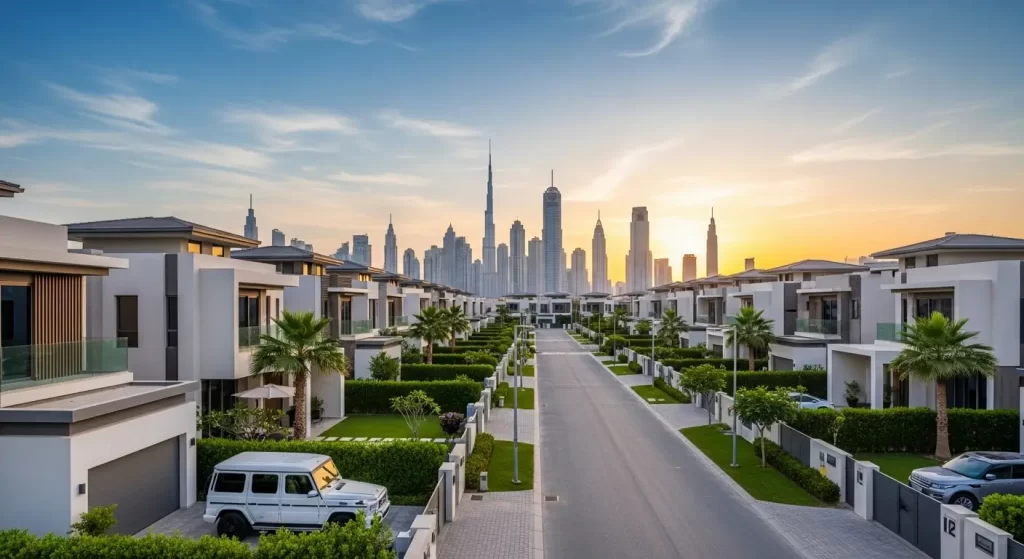
Your rent will largely depend on location. For example:
- Areas like Downtown Dubai or Dubai Marina tend to be pricier because of proximity to key attractions.
- Dubai South or Al Barsha South offer more affordable options but are farther from the city center.
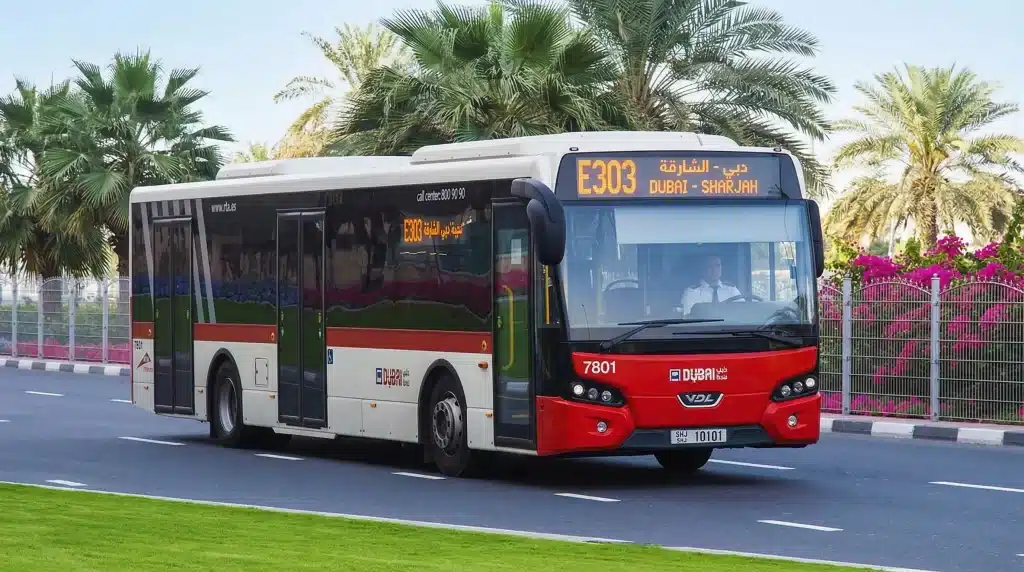
- Some renters choose to live in Sharjah and commute to Dubai to save money, though that means spending extra time in traffic. I once lived in Sharjah, where I used to take 2 hours one way to Dubai for work.
When choosing your home, think about what matters most to you: proximity, price, or convenience.
Finding Hidden Gems
While apps and portals dominate the search scene, old-fashioned methods still work. Driving around neighborhoods and noting “To Let” signs can help you discover unlisted properties or direct deals with landlords.
Despite rising rents, affordable housing still exists; you just need patience and a willingness to compromise on location or amenities.
Dubai’s rental market continues to evolve, with more digital tools and flexible payment systems being introduced every year. Whether you prefer apps or traditional searches, knowing your budget, rights, and payment options will make the process smoother and more rewarding.
Related: Cost of Living for a Single Person Living in Dubai – Complete Guide