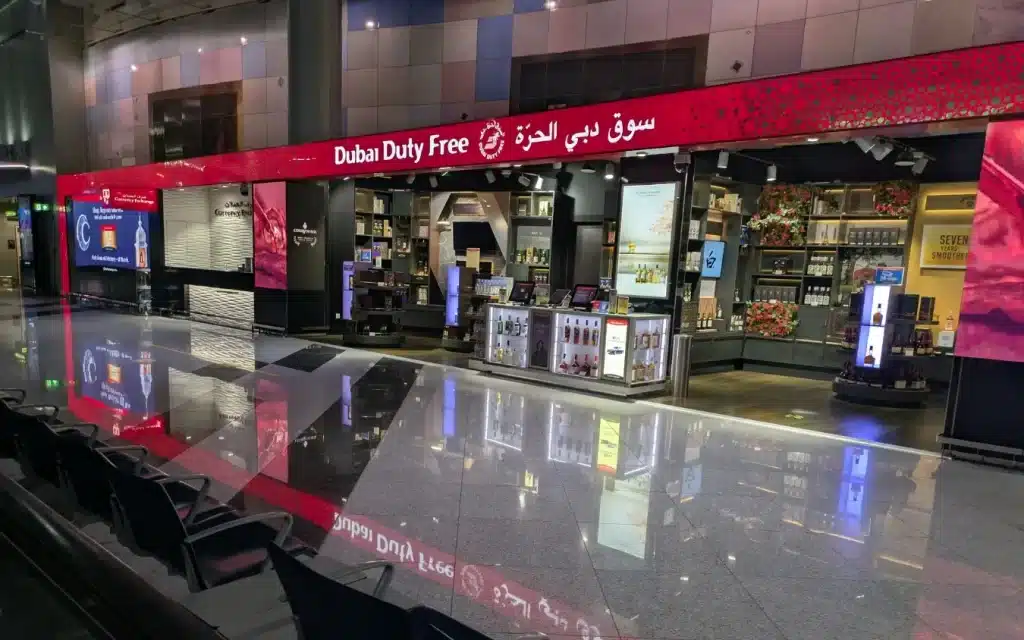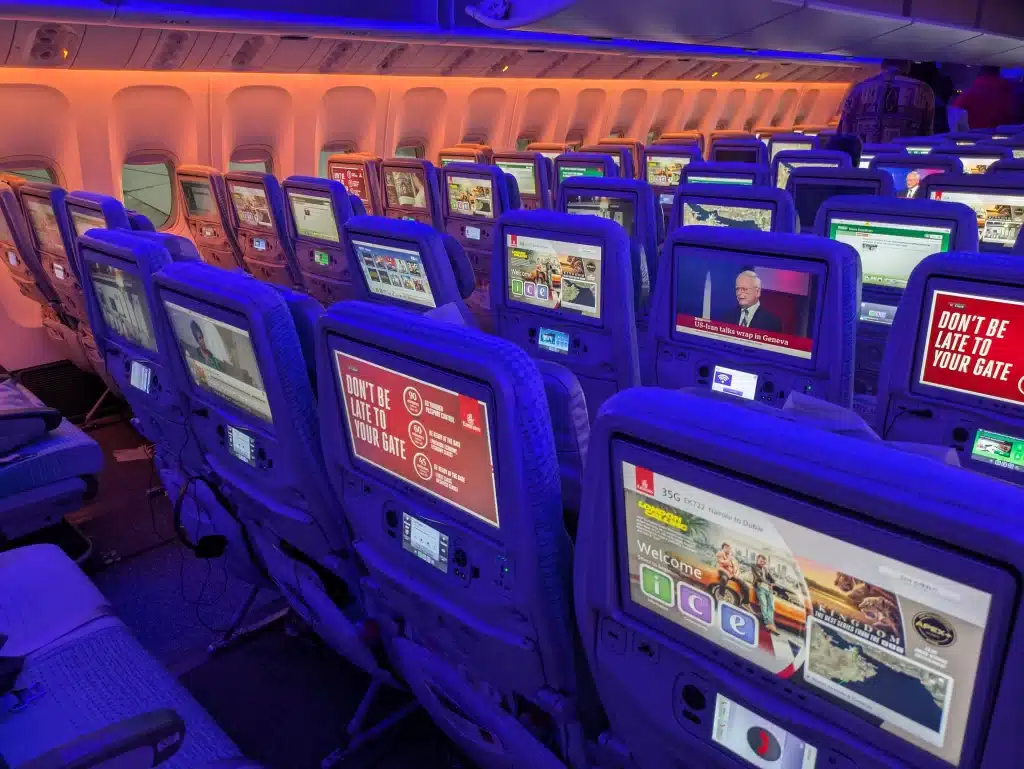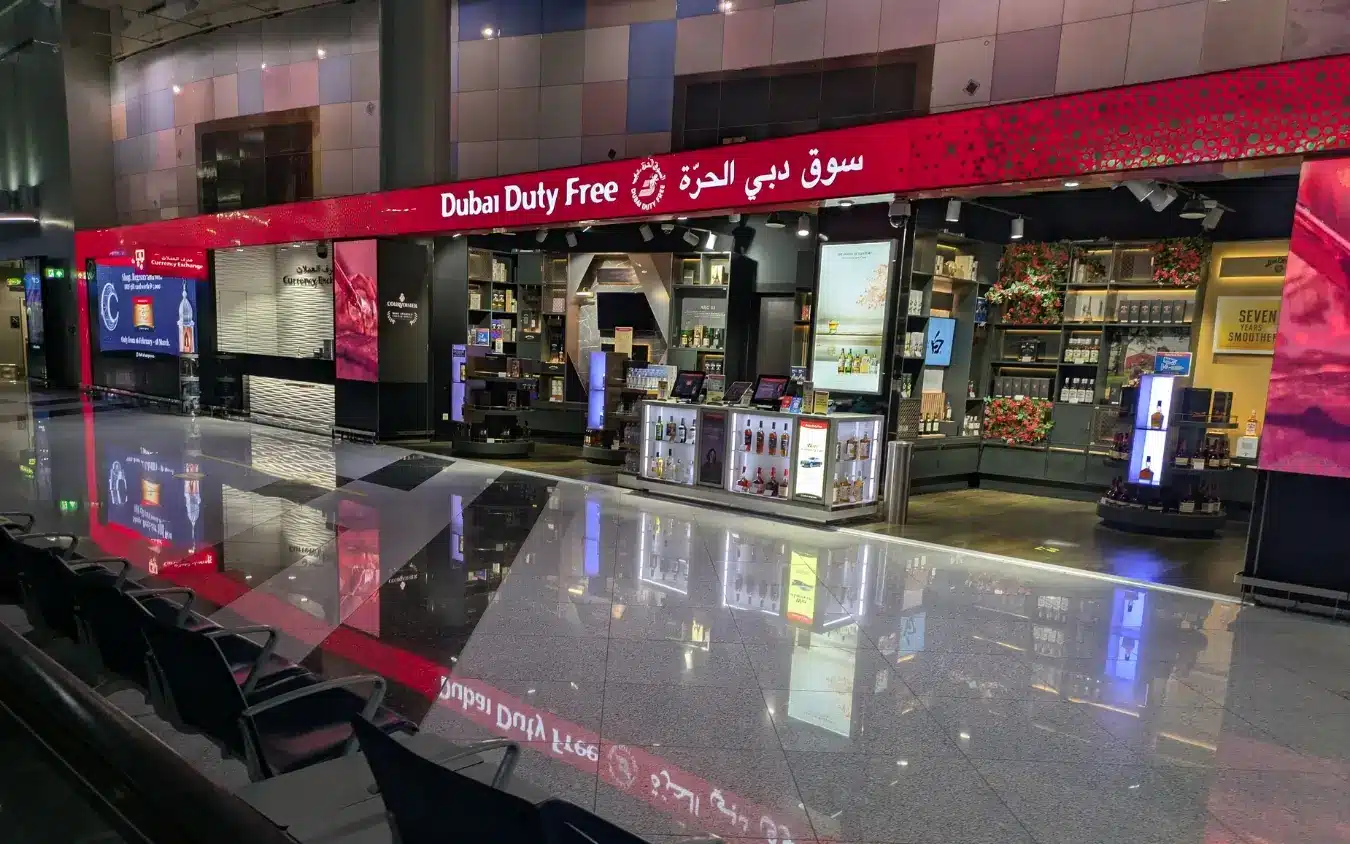
Dubai International Airport (DXB) is the busiest international airport in the world.
The airport manages over 1,200 flight movements per day, more than 250,000 passengers passing through or departing daily, and connections to over 270 destinations globally.
In 2025 alone, it handled over 95 million passengers.
So when there’s conflict in the Middle East, and airspace starts closing, it affects both the regional tourism industry as well as the global one.
Why the Middle East is So Central to Global Travel
The Middle East sits right in the middle of the world. Travellers from the Americas connect through here to get to Africa, Europe, and Asia.
Africans connect through here to reach the Americas and Australia. Middle Eastern carriers like Emirates, Qatar Airways, and others have built their entire model around being that bridge, and they do it at very competitive prices.
On top of that, they offer transit visas, so passengers can stop over and actually experience cities like Dubai or Doha for 48 or 96 hours.
Related: The UAE Transit Visa – How to Apply & How Much Each Visa Type Costs
And for nationalities that would normally pay a lot for a UAE or Qatar visa, the transit visa is a fraction of the cost.
Related: Countries That Require a Pre-Arranged Visa to Visit the UAE
The Numbers Are Already Taking a Hit
Tourism associations worldwide are already reporting slowdowns in hotel bookings, attraction visits, and overall tourist numbers. The World Travel and Tourism Council (WTTC) estimates losses of more than $600 million per day, which is money that would’ve been spent by travelers at their destinations.
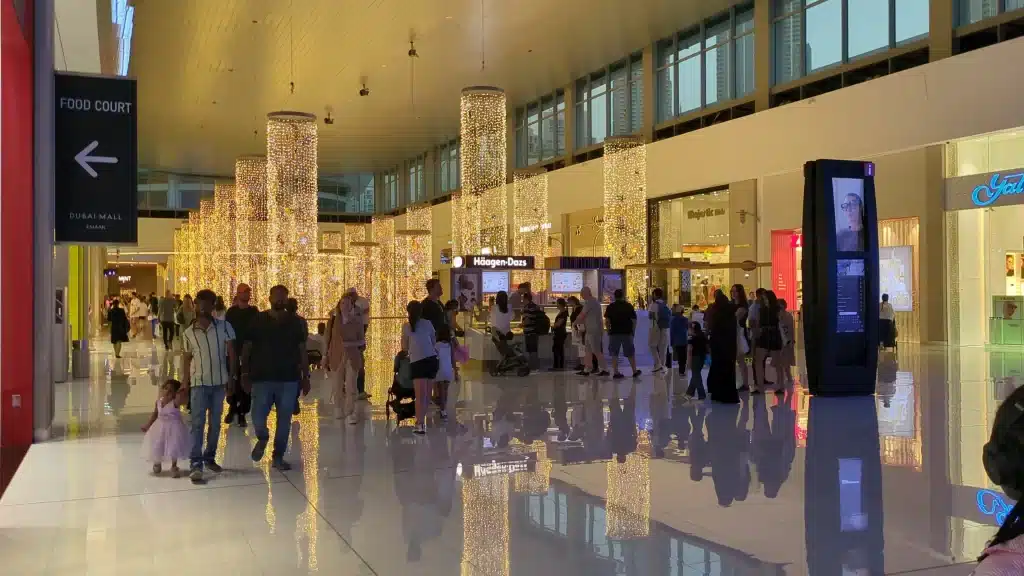
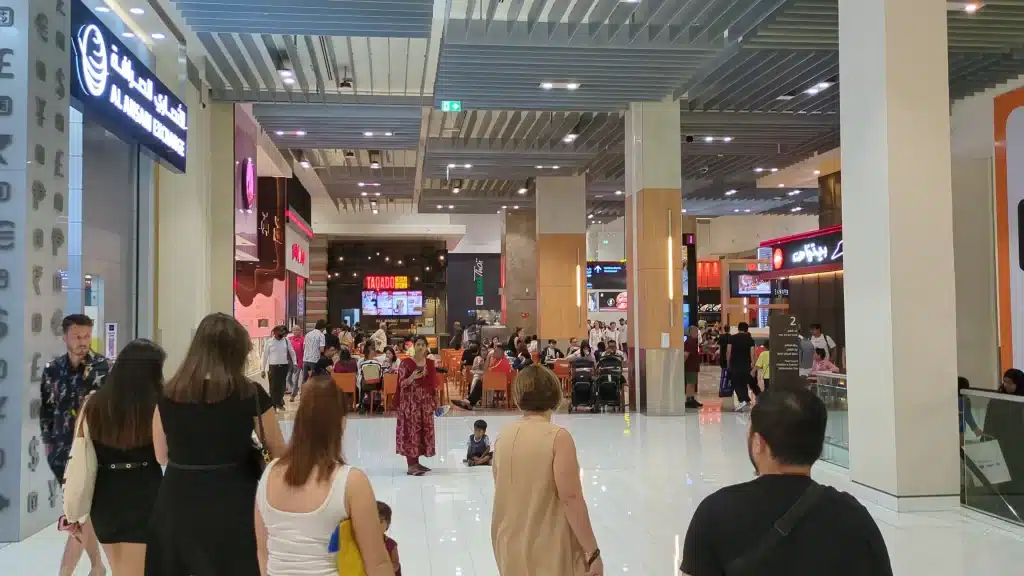
British travel agencies have started advising customers against travelling to the Middle East.
To put that into context, British tourists are among the top three nationalities visiting the UAE, with over 6 million Brits visiting in 2025 alone.
African carriers are also feeling it. Ethiopian Airlines, RwandAir, and Kenya Airways have all reported losses in the millions. Ethiopian Airlines in particular, has reported losses of over $150 million, and those figures were still climbing.
What This Reminds Us Of
The last time we saw anything close to this was during COVID-19. The impact on travel was devastating, and recovery took years. Tourism boards across the GCC are going to have a lot of work ahead of them, not just to get numbers back up, but to reassure travellers that the region is safe.
Related: GCC Countries Have Approved a Unified Visa – The Schengen Visa of The Gulf region
Some tourists will take convincing. That’s just the reality.
The Bigger Picture
What this conflict has shown, more than anything, is just how central Dubai and other GCC cities are to global tourism. These countries are travel destinations but also key travel corridors to the rest of the world.
In the coming months, it’ll be really interesting to see how these countries adapt. Whether they push harder on local and regional tourism (btw, regional tourists account for some of the highest tourists in the UAE), launch new campaigns, or find other ways to keep things moving.
Either way, the road to recovery won’t be overnight. But we do believe these countries will bounce back from this.