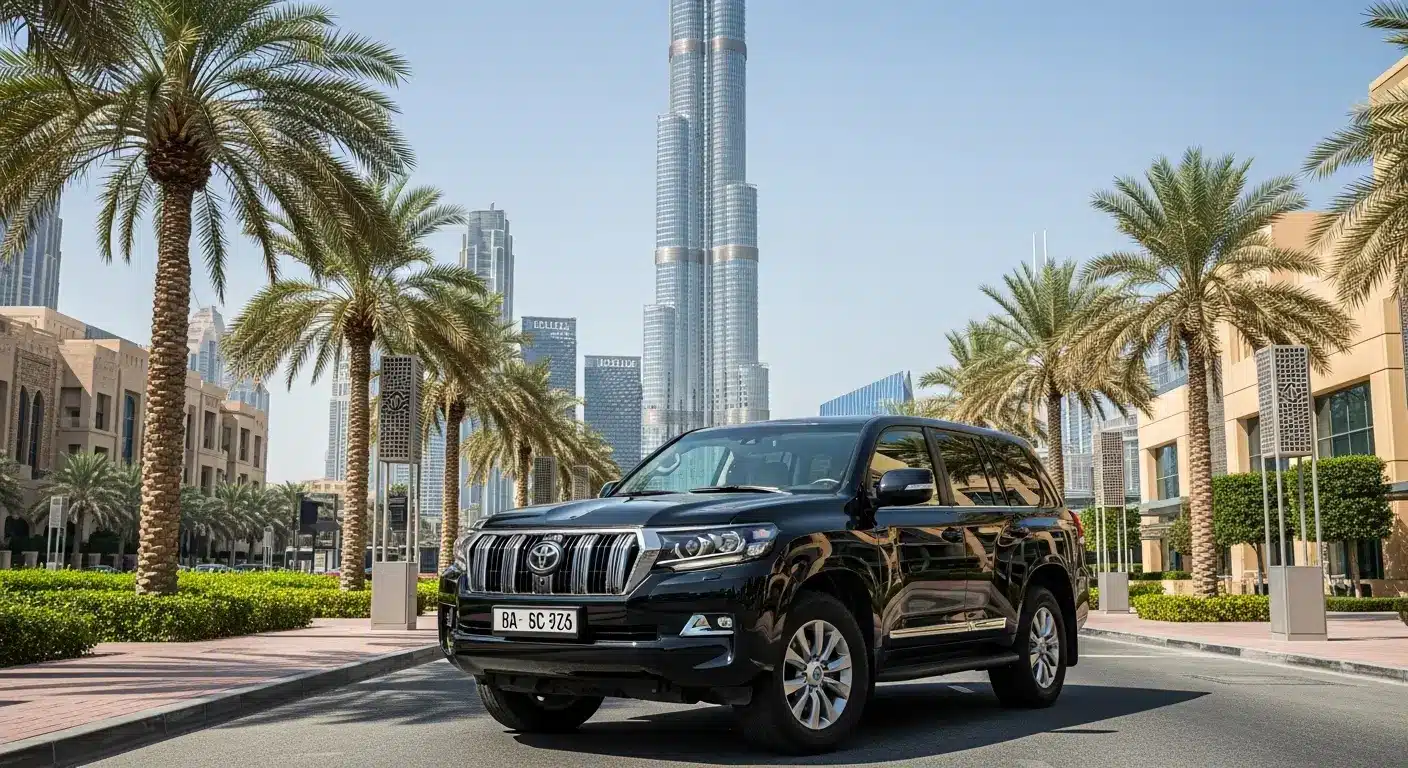
When it comes to getting a car in Dubai or anywhere in the UAE, you are probably wondering whether you should buy or lease. Each option has its pros and cons, and the best choice really depends on your lifestyle, how long you plan to stay, and your finances.
In this guide, we’ll break down both options, with some personal experience thrown in, to help you decide what suits you best.
Leasing a Car in Dubai
Leasing means paying a monthly fee to use a car for a set period, often a year or more. It’s similar to long-term renting, and many companies or car dealers offer lease packages.
Related: Cost of Living in Dubai: A Guide for Digital Nomads and Expats
Advantages of Leasing
- Lower upfront cost – You don’t need to pay the full purchase price or a large down payment.
- Lower monthly payments – Usually cheaper month-to-month than financing a car.
- Access to newer models – You can easily upgrade when your lease term ends. Imagine driving the new Range Rover for a fraction of the buying price.
- Maintenance included – Many lease contracts include service and maintenance, saving you trips to the garage.
- Ideal for short-term residents – If you’re not planning to stay long, leasing helps avoid the hassle of reselling later.
What are some of the monthly fees for some cool cars?

- A 2021 Lamborghini Urus will be about AED 53,000
- A 2023 Range Rover Vogue will be about AED 22,000
- A 2024 BMW M4 Competition is about AED 22,000
A Personal Story
When I got my UAE driver’s license in 2021, I suspected I might be moving out soon. So instead of buying or officially leasing, I worked out a deal with a friend.
Her family had two cars, with the second being hers. It was a brand-new Renault under a loan. So, I agreed to cover their monthly loan payments while I used the car.
It turned out to be a great setup:
- I had a car without handling any loan paperwork or long-term commitments.
- All I paid for was fuel, car washes, and the occasional inspection.
- When it came time to replace the tires, I negotiated to skip that since I was leaving soon.
It was convenient, affordable, and perfect for my short-term stay.
Disadvantages of Leasing
- No ownership – You return the car at the end of the lease unless there’s a rent-to-own option.
- Mileage limits – Most contracts include annual mileage caps. Exceed them, and you’ll pay extra. So if you plan on taking road trips to Abu Dhabi or Fujairah, then leasing can turn out to be expensive
- Wear-and-tear fees – You’re charged if the car isn’t returned in good condition.
- Potentially costly in the long term – Since you never own the asset, continuous leasing can be expensive.
- No customization – You can’t modify the car (though most people won’t need to).
⚠️ Tip: Keep an eye on traffic fines and speeding tickets — these will go on your driving record, not the leasing company’s.
Buying a Car in Dubai
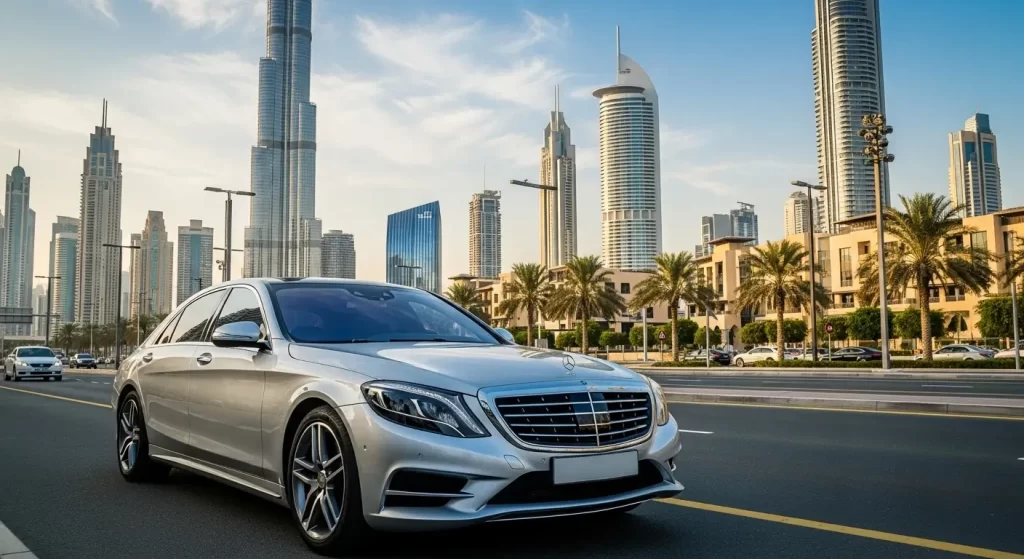
Buying a car means you either pay cash up front or finance it through a loan. Once it’s paid off, the car is yours to keep, modify, or sell.
Advantages of Buying
- Ownership – Once you’ve paid off the car, it’s 100% yours.
- Freedom – Customize or modify it however you want.
- No ongoing payments – After the loan is done, you stop paying monthly fees.
- Resale value – You can sell your car and recover some of its cost later.
A friend of mine bought a Corvette and customized it heavily, from performance tweaks to visual upgrades. However, he discovered that certain modifications restricted him from driving into Sharjah, so he’d park his car at the border and take a cab instead!
That’s Dubai life for you, even car ownership comes with quirks.
Related: Most Important Things you Need to Know Before Moving to Dubai
Disadvantages of Buying
- High upfront cost – You’ll need a big down payment or full cash payment.
- Extra fees – Registration, insurance, and loan interest can add up.
- Depreciation – Cars lose value quickly in the UAE’s hot and fast-moving market.
- Maintenance responsibility – Once the warranty ends, all repair costs are on you.
- Resale hassle – If you leave the UAE suddenly, selling your car quickly can be tricky.
💡 Example: I once had to replace the wipers on a car I was using after its warranty expired — a small but symbolic reminder that ownership comes with constant costs.
Leasing vs Buying: Which One Makes Sense for You?
It depends on your situation:
| Situation | Better Option | Why |
|---|---|---|
| Staying short-term (2–4 years) | Lease | Avoids depreciation and resale hassle |
| Staying long-term (5+ years) | Buy | Build equity and save on long-term costs |
| Driving long distances (e.g., Dubai–Abu Dhabi daily) | Buy | Leasing mileage limits can be restrictive |
| Prefer new models and minimal maintenance | Lease | Flexibility and convenience |
| Love customizing cars | Buy | Full control over modifications |
| Need a temporary backup car | Lease or rent | Companies like Careem now let you rent cars (with or without drivers) for a few hours |
Important Considerations in the UAE
- Lease Contracts: Always check mileage caps, early termination fees, and wear-and-tear clauses.
- Registration and Transfer Costs: These vary between Emirates like Dubai and Abu Dhabi.
- Depreciation Rates: Some brands lose value faster than others.
- Visa & Residency: If you’re on a short-term visa, leasing is often more practical.
- Insurance & Service Fees: Some leases include these; for buyers, they’re separate.
- Resale Market: It can take time to find a buyer, especially if you need to leave the country quickly.
🎯 Tip: If your visa gets canceled, you might only have a month to sell your car before needing to exit the UAE, so plan ahead.
Final Thoughts
Both leasing and buying have their place in Dubai.
If you’re new, unsure how long you’ll stay, or want the latest models with zero maintenance worries, leasing is the better option.
If you’re planning to settle in for several years, prefer ownership, and don’t mind handling maintenance, then you should probably buy a car.
Either way, make sure you read every clause in your contract, check your mileage limits, and budget for hidden costs. Dubai’s car culture is fast-paced, and so are the decisions you’ll need to make.
Related: How to Search for a Property to Rent in Dubai: A Practical Guide