I arrived in Dubai on the 26th of February 2026, flying Emirates on a Boeing 777 in economy class from Nairobi’s JKIA to DXB.
It was a smooth Thursday evening flight, and I landed Friday morning, excited and ready to explore.
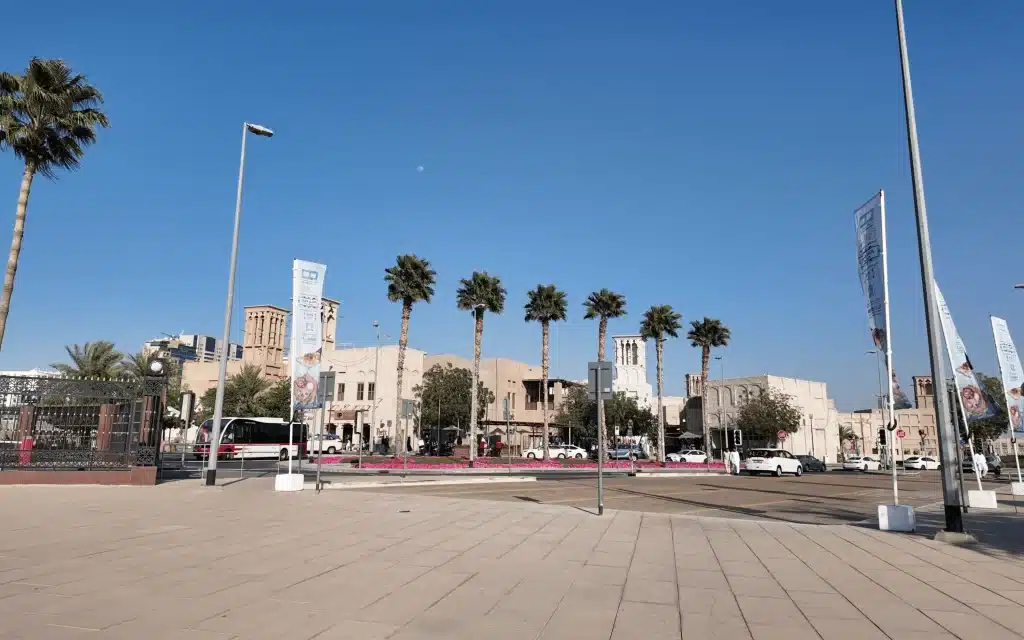
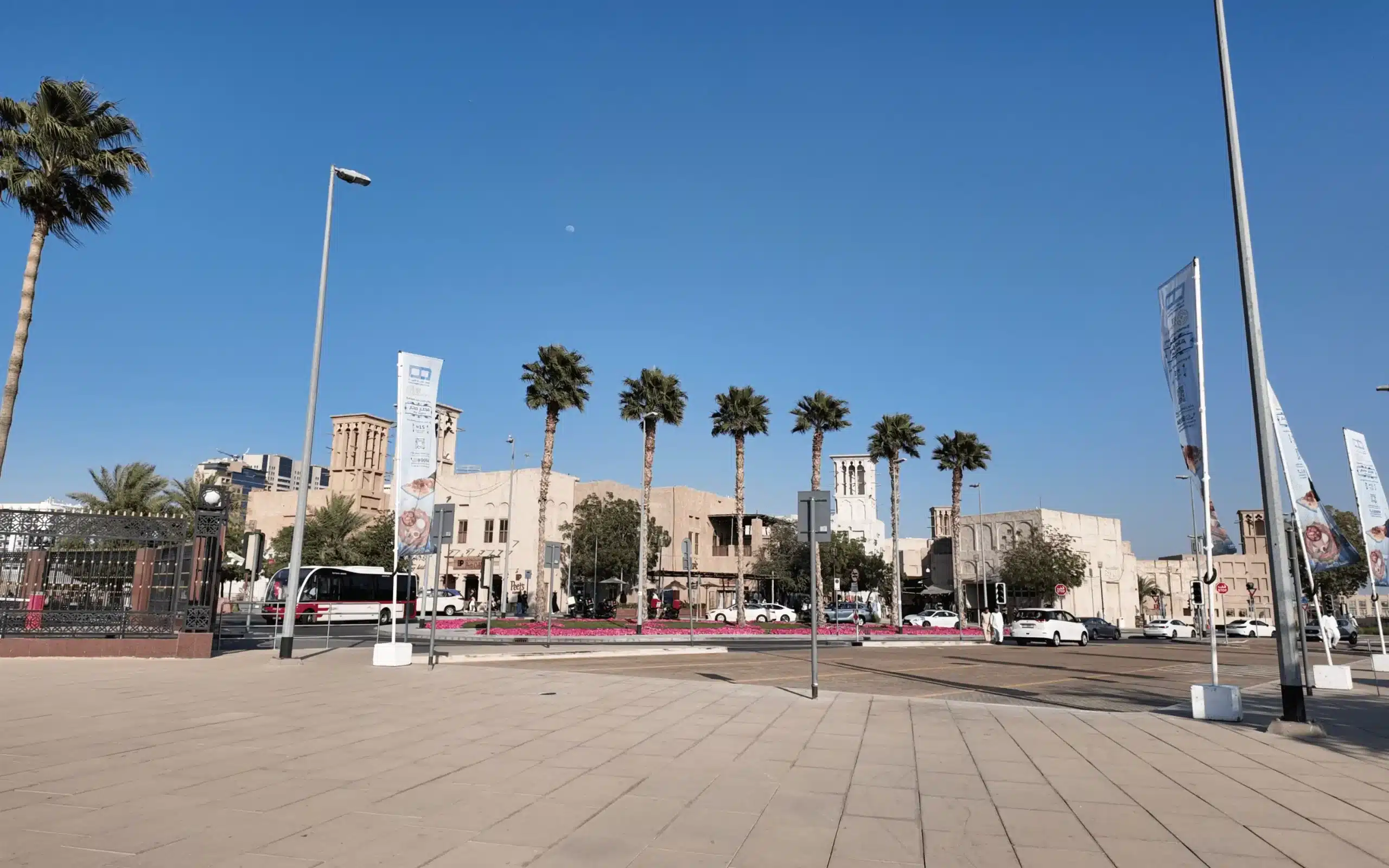
My plan was simple: visit Old Town, the Al Fahidi neighbourhood, Ras Al Khaimah, and some of Dubai’s lesser-known areas that don’t always make it into the tourist lists.
Everything was going well until the evening of the 28th.
Missiles and a loud bang
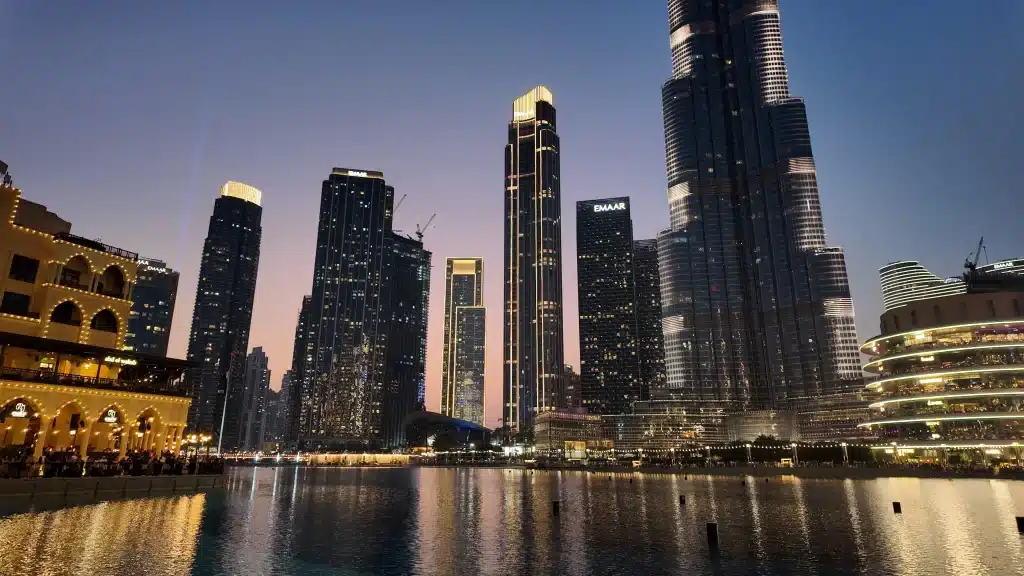
I had spent the afternoon at Dubai Mall doing some shopping, and afterwards made my way to watch the Dubai Fountain.
As we stood waiting for the show to begin, there was an incredibly loud bang, one of the loudest sounds I have ever heard in my life. My heart jumped.
Given everything happening in the region, my mind immediately thought, “Oh no, we are under attack“. A few people around me turned and walked away, but most stayed calm and didn’t move.
It’s only later that I realized the bang was actually the Iftar cannon, a traditional ceremony where the cannon is fired every evening to signal that the fast can now be broken.
However, a few minutes later, I saw missiles in the sky, with the soft bang of their interceptions. This was no ceremony.
A City Running on Quiet Resilience
After the fountain session, I headed to Dubai Marina and the JBR Walk, a stretch usually packed with really cool cars. Ferraris, McLarens, Lamborghinis; I had seen them there on previous visits and expected the same.
But this time, the street was almost empty. The only notable car I spotted was a Ford Mustang, which in Dubai is practically a common sight. It was a small but telling sign that something was up.
I also stopped at a bar to watch a football match, shout out to Bedrock Bar on Pier 7, and it was unusually quiet.
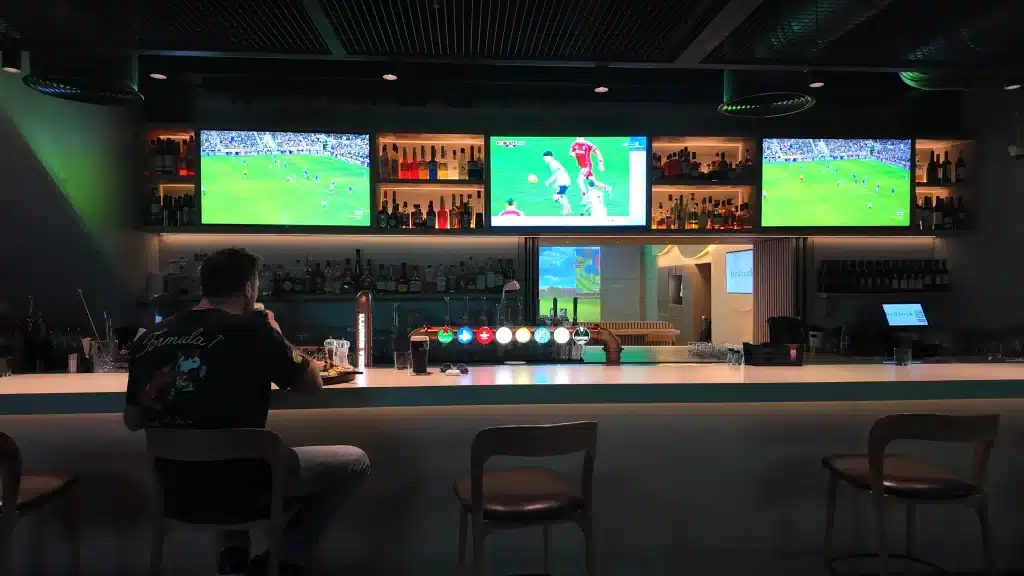
By then, it became clear that many people had already received government alerts to shelter in place and had returned to their hotels and homes.
It was a precautionary measure, not because the area had been hit, but just to protect themselves.
Attractions Closed, But the City Didn’t Stop
Several of Dubai’s most popular tourist destinations have been temporarily closed. The Dubai Frame, Global Village, and a number of Dubai Parks attractions all shut their doors.
For tourists who had been planning these visits for months, or even years, it was genuinely disappointing news.
And yet, despite all of this, the city itself felt remarkably calm.
I’m staying in Al Rigga, which sits within the Deira district, and life here has barely skipped a beat.
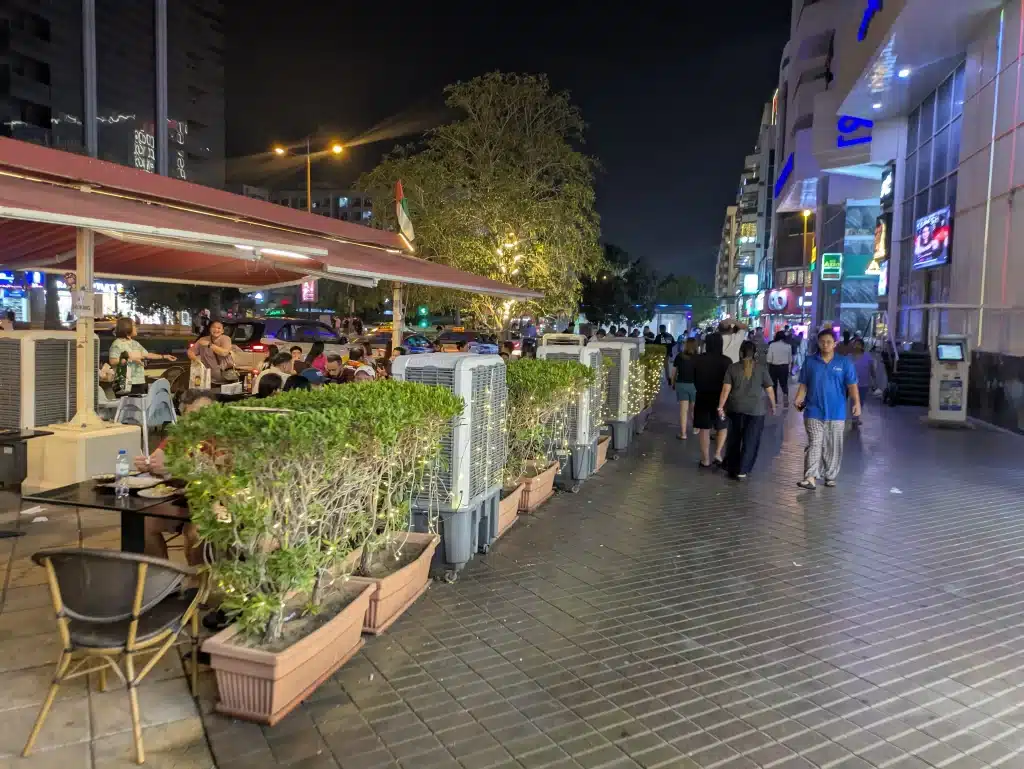
Restaurants are still open late into the night. In the early mornings, people are out walking, smiling, going about their routines.
Most businesses are operational, and those that aren’t are working remotely. There is no visible panic, no sense of crisis in the streets.
Faith in the Government – and Why It Makes Sense
One of the most striking things I’ve observed is the level of trust people here, both citizens and residents, have in their government.
You won’t find people openly criticising the authorities. That’s partly cultural, of course, but it goes deeper than that.
The government has moved swiftly and visibly to protect its people, and that has created a genuine sense of solidarity.
When you consider that Dubai International Airport, Abu Dhabi’s Zayed International, and Doha’s Hamad International are arguably the most important long-haul travel hubs in the world, the way the GCC nations have managed this situation is worth noting.
The UAE and its neighbours are remarkably managing a regional and global crisis. Not only that, but they are also managing the nerves of millions of travellers and expats from every corner of the globe.
They are slowly allowing some flights to take off, returning residents and citizens of other nationalities who had come to visit or who were in transit.
Emergency Alerts and Flight Uncertainty
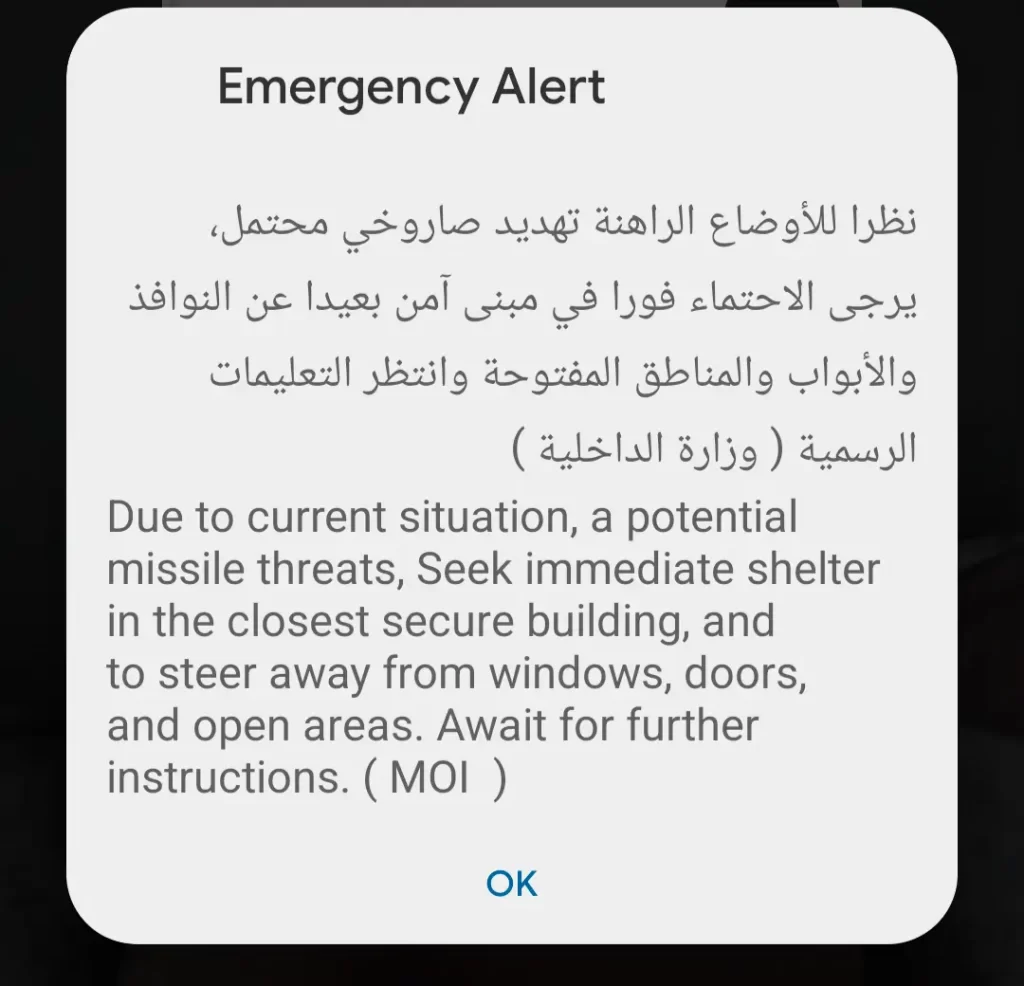
My phone has been buzzing regularly with emergency alerts, mostly in the evenings around 9 and 10 pm. The alerts are loud and hard to miss, they instruct you to shelter and protect yourself. It’s a surreal experience when you’re sitting in a restaurant eating shawarma, and your phone suddenly screams at you, “Take shelter“
Misinformation
There’s also been a lot of misinformation circulating online. When you’re on the ground, and you see what’s actually happening around you versus what some people are reporting on social media, the gap could not be bigger.
Fear sells, and that is clearly driving a lot of the noise. The UAE government has consistently urged people to rely only on official channels, the Ministry of Defence pages, airline updates, and official government communications.
On the travel side, some flights have resumed but in very limited numbers. Access to Dubai International Airport is being controlled, you are only permitted to enter if you have received official notification that your flight is operating.
As for my return flight to Nairobi on the 5th of March, it has already been cancelled, and I am now looking forward to the next available flight back home. I might soon need to look for a bedsitter and an Arabic-speaking school if things continue to escalate!
Still Exploring, Despite Everything
As a tourist, the uncertainty is a bummer, especially around flights and attraction closures, but day-to-day life in the city is far more normal than the headlines might suggest.
I’m still out here exploring what I can, having conversations, eating well, and finding the stories worth telling. If anything, this experience has given me a perspective on Dubai that most tourists never get, what the city looks like when the glitter is stripped back a little, and the people underneath are left to show you who they really are.
That, honestly, has been the most interesting part of this trip.